Cuando tu auto necesita remolque, el método usado importa más de lo que piensas. Los dos enfoques más comunes, plataforma y gancho, difieren significativamente en cómo protegen tu vehículo durante el transporte. Elegir el método incorrecto puede convertir una reparación menor en un gasto mayor.
¿Qué es el remolque de plataforma?
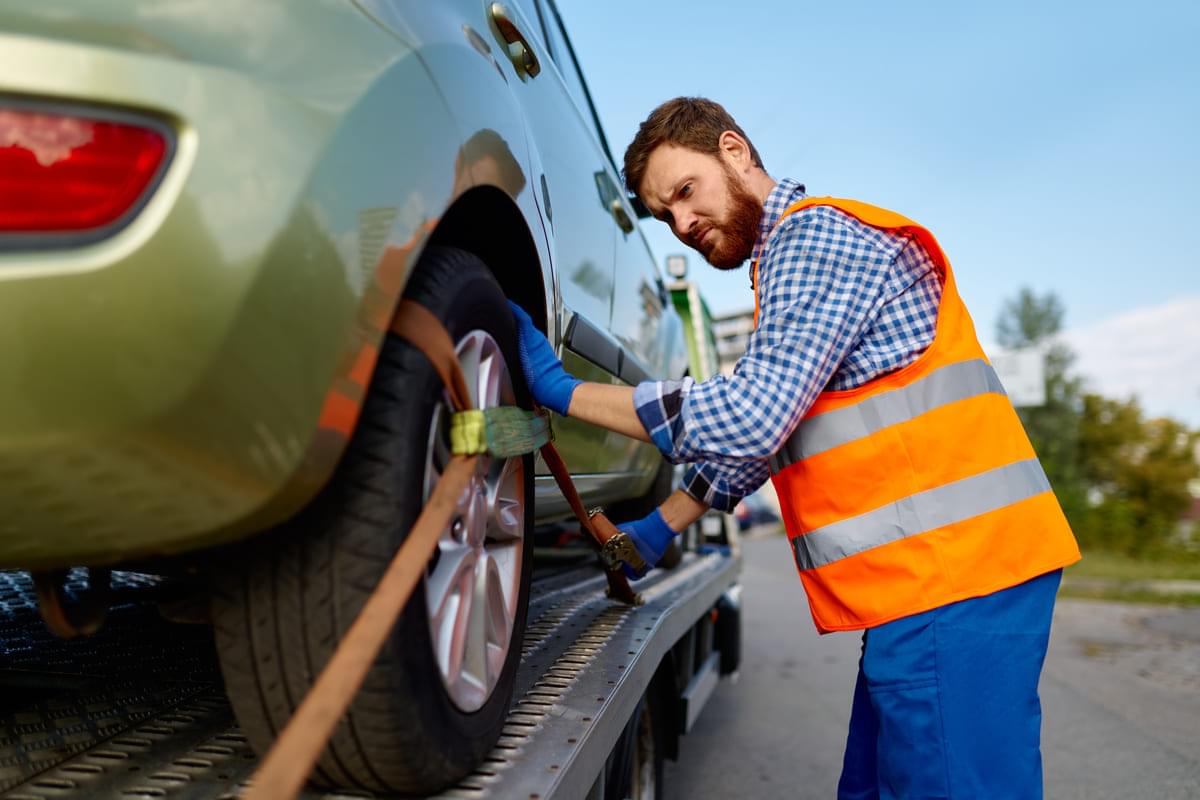
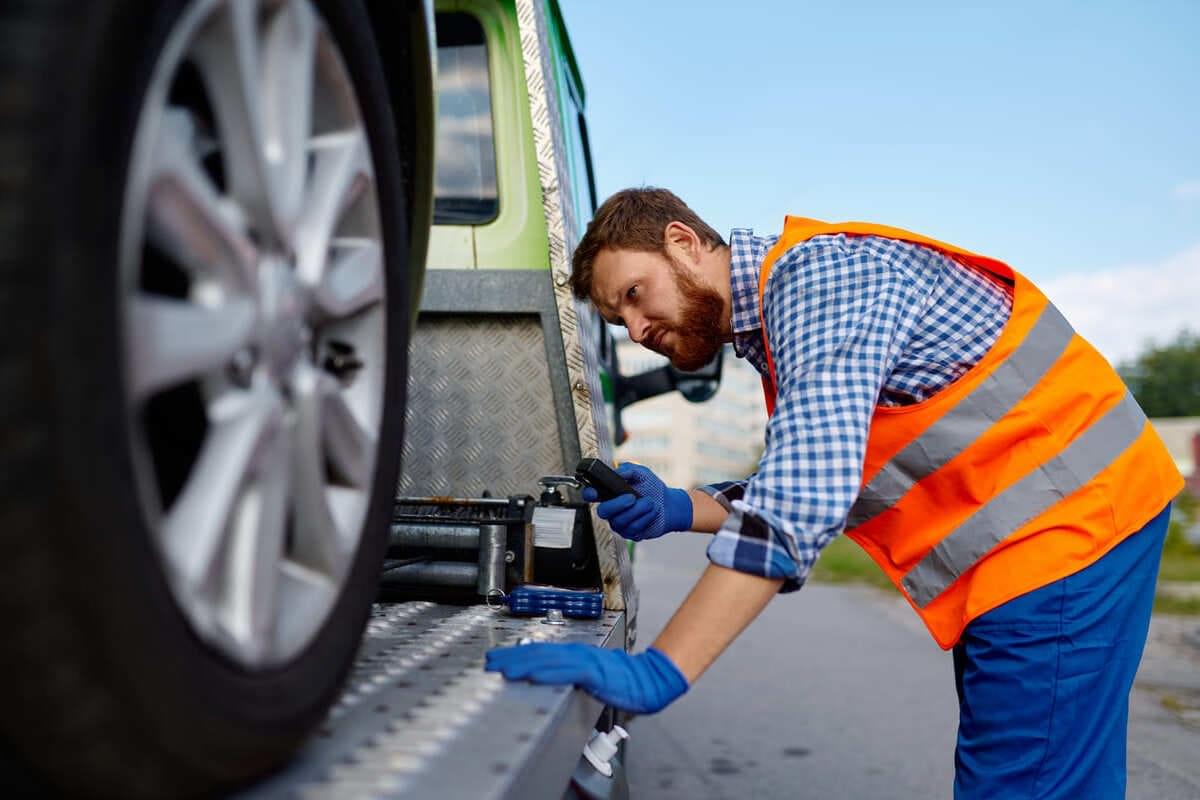
Una grúa de plataforma tiene una plataforma larga y plana (también llamada rollback o slide deck) que se inclina hidráulicamente al nivel del suelo. Tu vehículo se conduce o se arrastra con malacate sobre la plataforma, y la cubierta se inclina de vuelta para nivelarse durante el transporte. Las cuatro ruedas se sitúan en la plataforma, completamente fuera del camino.
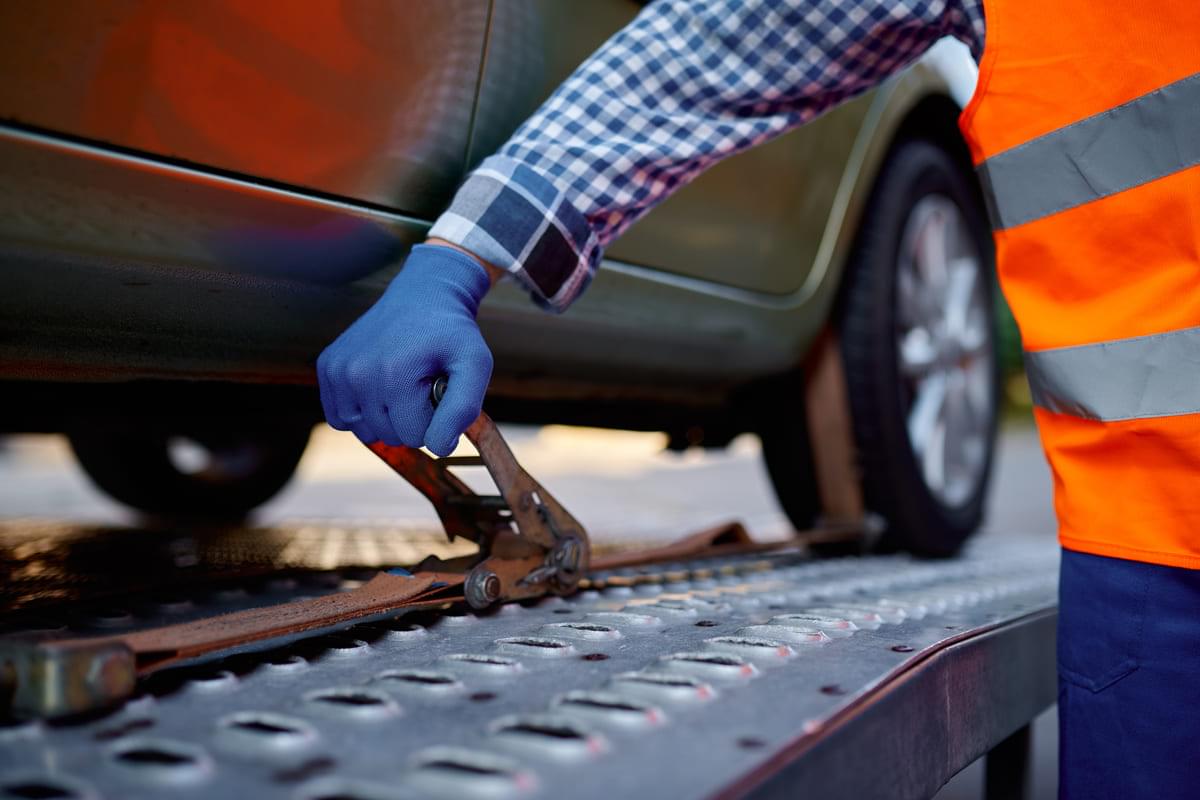
La carga toma aproximadamente 5 a 10 minutos. El operador asegura el vehículo con correas para ruedas o redes para llantas en cada esquina. Una vez amarrado, el auto no puede moverse o rebotar durante el tránsito. Este método funciona para cualquier tamaño de vehículo, desde sedanes compactos hasta camiones de tamaño completo.
¿Qué es el remolque de gancho (elevación de ruedas)?
El remolque de gancho, también llamado remolque de elevación de ruedas, usa un yugo metálico o cuna que se desliza bajo las ruedas delanteras o traseras. Una pluma hidráulica levanta ese extremo del auto en el aire mientras las otras dos ruedas ruedan sobre la superficie del camino. El operador no necesita una rampa o plataforma, por lo que las grúas de gancho son más pequeñas y maniobrables en espacios reducidos.
El remolque de gancho es más rápido de configurar, usualmente menos de 3 minutos. Cuesta menos operar, por lo que muchas compañías de remolque económicas lo usan por defecto. Pero la velocidad y ahorros vienen con compromisos que importan.
Riesgos de daño del remolque de gancho
Cuando dos ruedas permanecen en el pavimento, la transmisión, diferencial y componentes del tren motriz continúan girando aunque el motor esté apagado. En vehículos con transmisión automática, esto puede causar daño interno serio. El fluido de transmisión no circula sin el motor funcionando, y los engranajes se muelen sin lubricación.
El remolque de gancho también estresa la suspensión en el extremo elevado. Baches e imperfecciones del camino en las calles del Valley, especialmente a través de Sun Valley o vecindarios antiguos en North Hollywood, transmiten impacto directamente a las ruedas que ruedan y hacia arriba por el chasis. Si el vehículo ya tiene daño de accidente, un remolque de gancho puede empeorar la desalineación del chasis.
El daño a defensa y paneles de carrocería es otro riesgo. El yugo debe encajar ajustadamente bajo las ruedas, y en vehículos con baja distancia al suelo o kits de carrocería del mercado de accesorios, la cuna metálica puede raspar o agrietar la defensa durante la carga.
¿Cuál es más seguro?
El remolque de plataforma es significativamente más seguro. Con las cuatro ruedas fuera del suelo, no hay riesgo de daño a transmisión, desgaste de llantas o estrés del tren motriz. El vehículo se sienta estacionario en la cubierta, aislado de las condiciones del camino. Para autos dañados en accidentes donde la integridad estructural ya está comprometida, la plataforma es la única opción responsable.
Por qué autos de lujo y AWD necesitan plataforma
Los vehículos de tracción total y doble tracción conectan el motor a las cuatro ruedas a través de una caja de transferencia. Remolcar con cualquier rueda en el suelo fuerza esos componentes del tren motriz a girar sin lubricación. Un solo remolque de gancho puede destruir una caja de transferencia, y los costos de reemplazo van de $1,500 a $3,000.
Los vehículos de lujo de BMW, Mercedes, Audi, Tesla y Porsche casi universalmente requieren remolque de plataforma según sus manuales del propietario. Muchas garantías de concesionario se anulan si el daño del tren motriz resulta de remolque inadecuado. Si manejas un auto de lujo o rendimiento en San Fernando Valley, insiste en remolque de plataforma siempre.
Comparación de costos
El remolque de gancho típicamente cuesta $75 a $110 para un remolque básico en San Fernando Valley. El remolque de plataforma cuesta $95 a $150 para la misma distancia. La diferencia de precio de $20 a $40 es trivial comparada con las facturas potenciales de reparación por daño del tren motriz. Una sola reconstrucción de transmisión cuesta $2,000 a $4,500. Pagar un poco más por plataforma es seguro barato.
Para remolque de accidentes a través de FreeTowNow, la comparación de costos es irrelevante porque ambos métodos no te cuestan nada. Pero elegimos plataforma de todos modos porque proteger tu vehículo no es opcional.
Escenarios a través de San Fernando Valley
Las carreteras de San Fernando Valley presentan desafíos únicos para remolque. Pendientes empinadas a través de Cahuenga Pass y Sepulveda Pass ponen tensión extra en vehículos remolcados con gancho. El tráfico de para y sigue en autopistas I-5 y 101 significa frenado constante con remolque de gancho, lo que calienta las llantas que ruedan y frenos del auto remolcado.
Las calles estrechas en vecindarios como Northridge y partes de Silver Lake pueden hacer complicada la carga de plataforma, pero operadores experimentados saben cómo posicionar la grúa para carga segura incluso en espacios reducidos. Unos minutos extra de configuración vencen miles en daño evitable.
Cuándo el remolque de gancho es aceptable
El remolque de gancho funciona para distancias cortas bajo 5 millas con vehículos estándar de tracción delantera en condición de funcionamiento. Si necesitas mover un auto a través de un estacionamiento o a un taller a la vuelta de la esquina, un remolque de gancho está bien. Para cualquier otra cosa, especialmente vehículos dañados en accidentes, remolques de larga distancia, o cualquier vehículo AWD/4WD/lujo, la plataforma es la opción correcta.
Qué usa FreeTowNow
FreeTowNow usa exclusivamente grúas de plataforma para todos los trabajos de remolque gratuito de accidentes. Cada vehículo que transportamos viaja en una plataforma completa con amarres de cuatro puntos. Hicimos esto una política, no una opción, porque un auto dañado en accidente merece cero riesgo adicional durante el transporte. Nuestros socios de taller de carrocería certificados esperan que los vehículos lleguen en exactamente la misma condición en que dejaron la escena, y la plataforma es el único método que lo garantiza.