When most people think of towing, they picture a broken-down car on the side of the road getting a ride to the mechanic. But collision towing after an accident is a fundamentally different service with different requirements, risks, and costs. Understanding the distinction matters because the wrong approach can cause additional damage to an already compromised vehicle.
What is collision towing?
Collision towing is the transport of a vehicle that has been damaged in an accident. The vehicle may have structural damage, fluid leaks, deployed airbags, broken axles, or other conditions that make it unsafe to drive. Collision towing requires specialized handling because the vehicle integrity is already compromised. A car with frame damage that gets dragged on two wheels by a hook truck can suffer further misalignment that turns a repairable vehicle into a total loss.
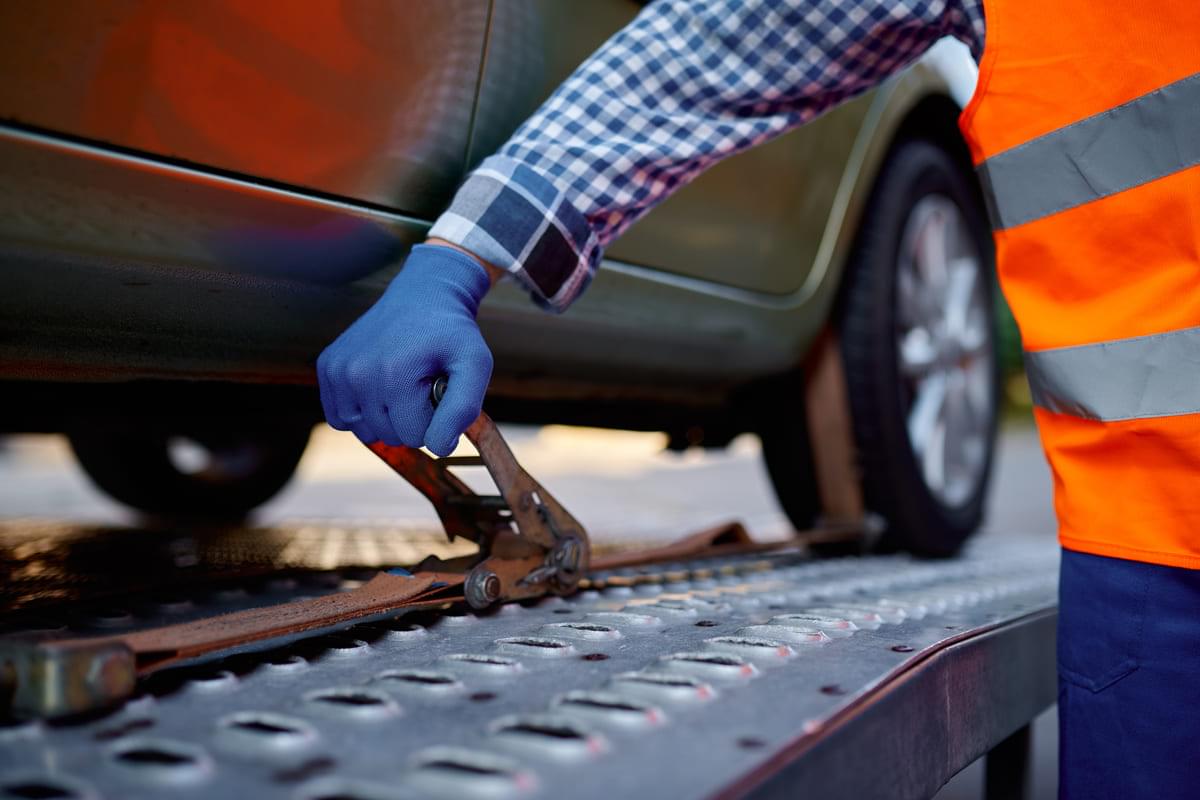
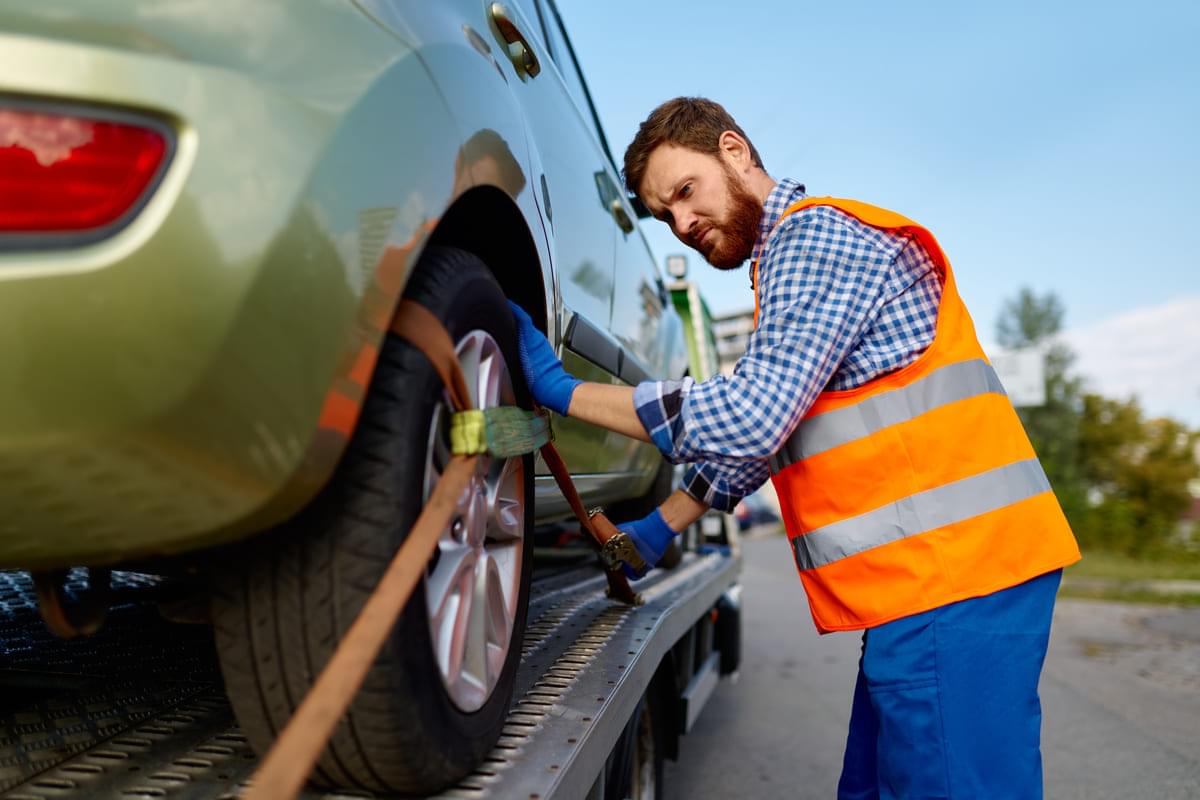
Collision towing typically involves flatbed trucks that carry the entire vehicle on a platform. The damaged car is winched onto the deck and secured at multiple points. This prevents any further stress on the frame, suspension, or drivetrain during transport. Every collision tow should treat the vehicle as fragile cargo, because that is exactly what it is.
What is regular towing?
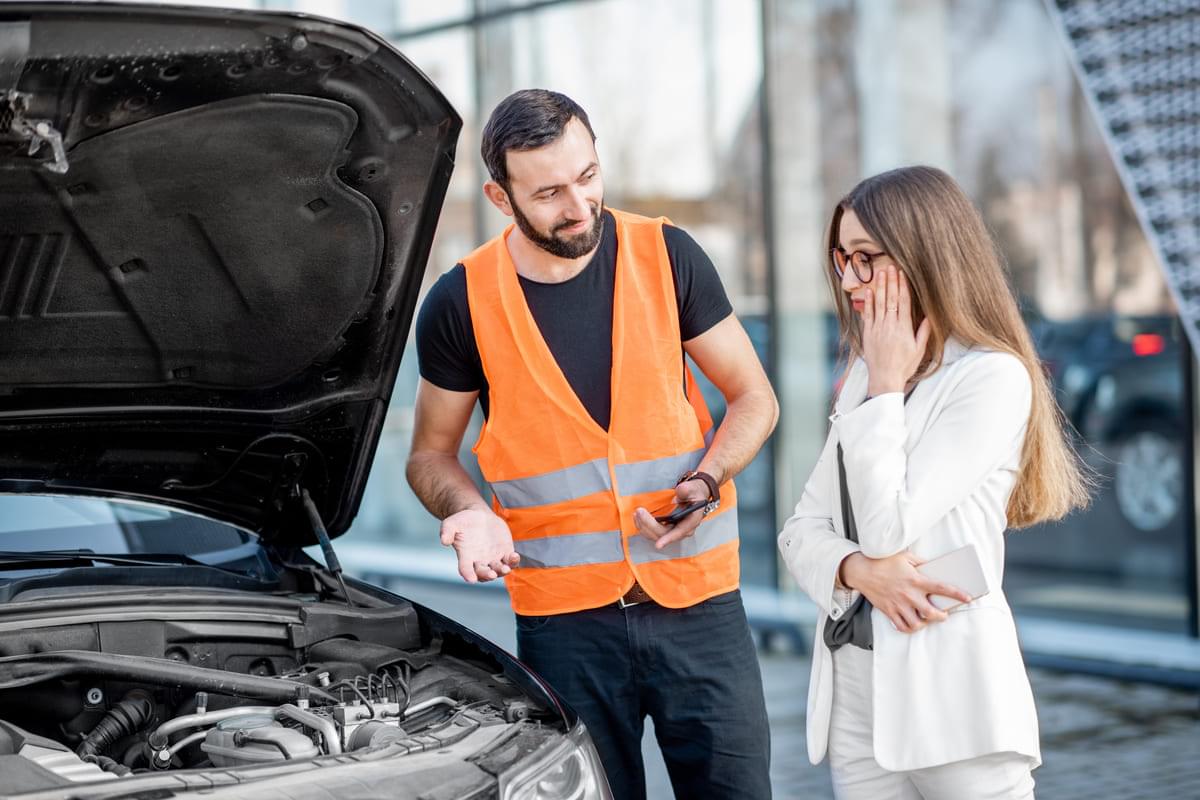
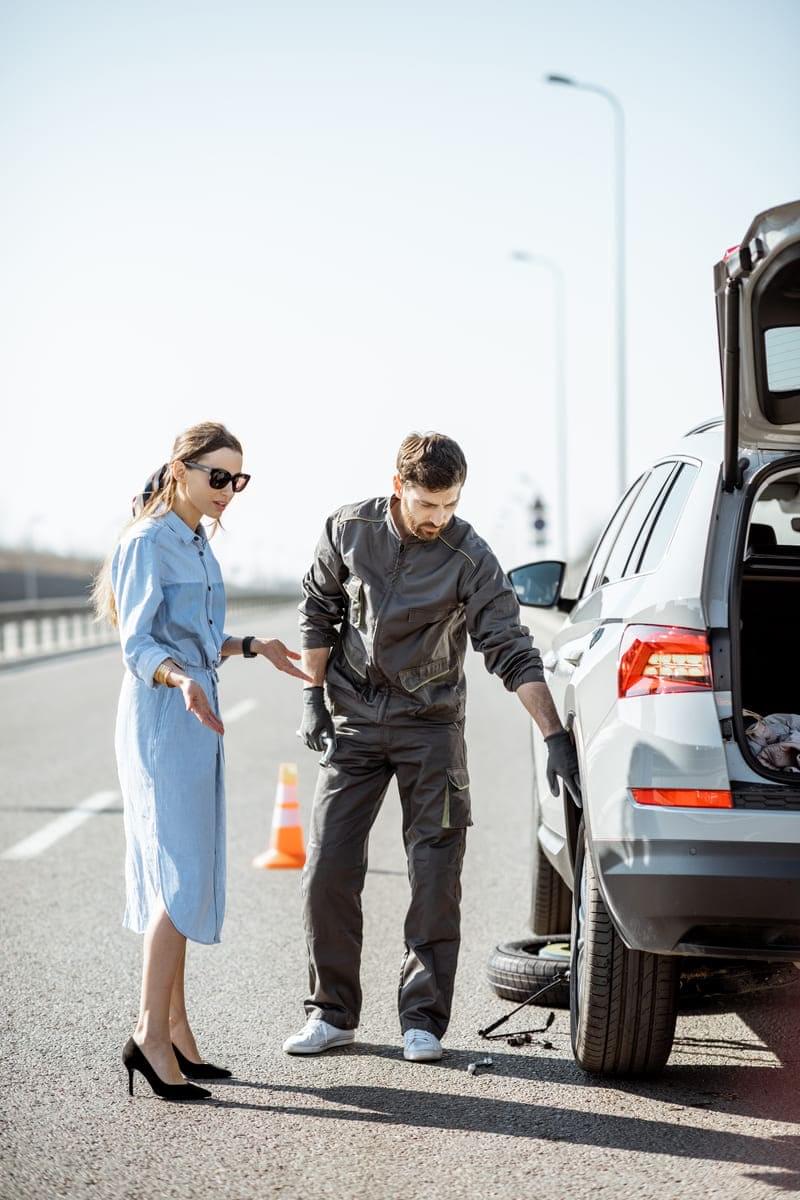
Regular towing handles vehicles that have broken down due to mechanical failure, dead batteries, flat tires, or lockouts. The vehicle is structurally sound but cannot move under its own power. Regular towing can use either flatbed or hook (wheel-lift) methods because the vehicle frame and suspension are intact.
A car with a dead alternator, an overheated engine, or a blown tire does not need the same careful handling as a car that was just T-boned at an intersection. Hook towing is acceptable for most regular tow situations with front-wheel-drive vehicles over short distances.
Why collision towing needs flatbed transport
After a collision, you often cannot assess the full extent of the damage at the scene. A car that looks like it only has bumper damage may have a bent subframe, cracked engine mount, or damaged suspension component that is not visible without putting it on a lift. Dragging that vehicle on two wheels with a hook tow puts load on components that may already be failing.
Collision towing with a flatbed eliminates this risk entirely. All four wheels are off the ground, the vehicle weight is distributed evenly across the platform, and no drivetrain components are forced to rotate. For vehicles with all-wheel drive or four-wheel drive, flatbed collision towing is not just preferred, it is essential.
Fluid leaks are another factor. Accident-damaged vehicles often leak coolant, oil, transmission fluid, or brake fluid. A vehicle being dragged on its wheels while leaking brake fluid is a hazard to other drivers on the road. On a flatbed, leaked fluids are contained on the deck and do not create road hazards.
Insurance implications of collision towing
When your vehicle is towed after an accident, the towing method becomes part of the insurance record. If improper towing causes additional damage, the question of liability gets complicated. Your insurance may argue that the tow company is responsible for the additional damage, while the tow company points to pre-existing collision damage. This dispute can delay your claim and your repairs.
Using a proper collision towing service with a flatbed truck avoids this problem. The vehicle arrives at the body shop in the same condition it was in at the accident scene. The body shop can document the collision damage accurately without having to separate it from tow-related damage. This makes the insurance estimate cleaner and faster.
Collision towing documentation should include photos of the vehicle before loading, the tie-down configuration on the flatbed, and the condition upon delivery. Reputable collision towing services provide this documentation as standard practice.
Cost differences between collision and regular towing
Regular towing for a breakdown typically costs $75 to $150 depending on distance and method. Collision towing runs higher, usually $125 to $300, because it requires a flatbed truck, more careful loading procedures, and sometimes winching if the vehicle cannot roll onto the deck.
After-hours collision towing is even more expensive, often $200 to $400, because flatbed trucks are in higher demand during nighttime accident response. The cost difference between collision towing and regular towing reflects the additional equipment, time, and expertise required.
How FreeTowNow makes collision towing free
FreeTowNow specializes in collision towing after accidents. Every tow we perform is a collision tow, and every one is free. We use flatbed trucks exclusively because collision-damaged vehicles deserve proper handling. Our drivers are trained in post-accident vehicle loading, including how to handle cars with deployed airbags, broken axles, and severe structural damage.
The cost is covered by our partner body shops, who pay for the tow in exchange for the repair work. Your insurance covers the repair bill through normal claims processes. You pay nothing for the collision towing itself. This model exists because body shops know that the driver who chooses their shop for the tow usually keeps their car there for repairs.
Whether your car was rear-ended on the US-101, sideswiped on the I-405, or hit at an intersection in Van Nuys, call FreeTowNow for free accident towing. We handle collision towing the right way: flatbed only, direct to a certified body shop, zero cost to you. For more about our flatbed towing service, visit our services page.